Jump rope?
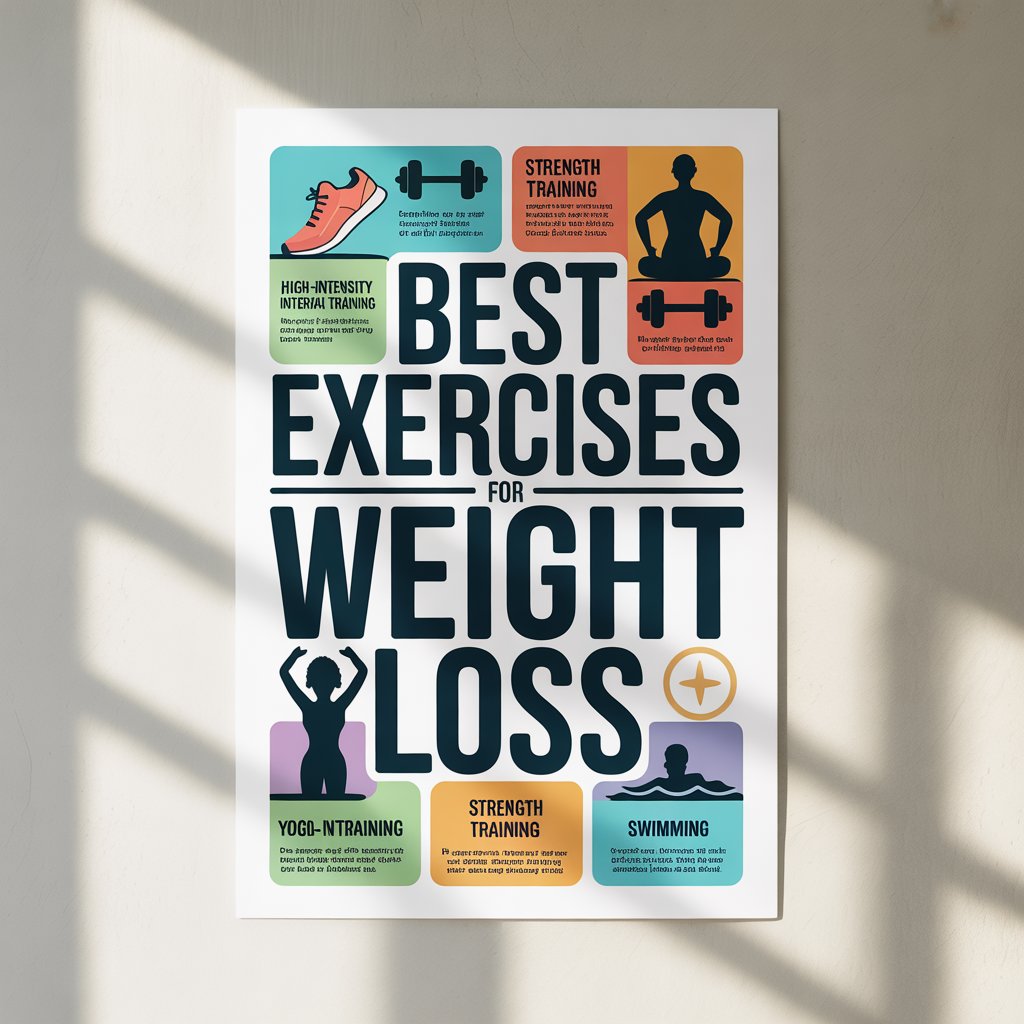
If you’re looking for an affordable workout tool for on-the-go, a jump rope might be just what you need. Jumping rope is a great way to burn calories quickly. What Exercises Are Lest For losing Weight In fact, you burn more calories jumping rope than running on a treadmill. Plus, you work multiple muscle groups—from your core to your upper and lower body. Jumping rope also improves your coordination.
High-intensity interval training (HIIT)?
High-intensity interval training (also known as HIIT) is a form of exercise that alternates intense physical activity with less intense exercise. What Exercises Are Lest For losing Weight You don’t have to do it every day, but it’s very effective for weight loss. You burn more calories than with cardio. The intense exercise keeps your body active and in fat-burning mode for up to 24 hours after your workout.
Abuse?
Another great way to lose weight is cycling.What Exercises Are Lest For losing Weight It’s a gentle and adaptable form of exercise. Depending on your weight, speed, and type of cycling, you can burn about 400 to 750 calories per hour while cycling.
Baden?
It can be hard to stay motivated when your knees or back hurt. What Exercises Are Lest For losing Weight Swimming is the perfect exercise in this situation. It’s gentle on the joints, works your upper and lower body, and provides a good cardio workout. The water resistance is also beneficial. Swimming for half an hour several times a week reduces the risk of cardiovascular disease and certain types of cancer. It also lowers cholesterol and blood pressure.
Strength training?
This type of exercise uses resistance to build strength and muscle.What Exercises Are Lest For losing Weight It not only helps you lose weight but also helps you maintain it by building muscle mass. This stimulates your body to burn more fat. Aim to do this exercise 3-5 times a week for about an hour each time. Remember to take a rest day every other day.
Pilates?
Studies show that exercises, usually performed on a mat or with various props, can build core strength, tone you, and help you maintain a healthy weight. What Exercises Are Lest For losing Weight The intensity of a Pilates class depends on your needs. Classes and demonstrations are available online or at your local gym.
Jog?
Jogging is an aerobic form of exercise – it uses oxygen. This can help you lose weight. Brisk jogging can also increase your metabolism for up to 24 hours. This keeps you in fat-burning mode even after you’ve reached your daily goal. Regular jogging can give you long-term energy.
Yoga?
Yoga combines physical activity with meditation and is a popular way to practice mindfulness after a long day at work. But that’s not all: Studies show that overweight people who practice yoga for at least 30 minutes a week lose weight over time and have a lower BMI. People who practice yoga also eat more mindfully, meaning they are more aware of when they are truly hungry and when they are full.
Walk up stairs?
Another inexpensive and versatile weight loss exercise is stair climbing. You can use a machine, but all you need is a trusty set of stairs. Just two flights of stairs a day can help you lose up to 6 pounds in a year. Stair climbing can also lower your blood cholesterol and keep your joints, muscles, and bones healthy.
Hike?
If you’re looking for a more adventurous way to lose weight, hiking might be right for you. Hiking usually involves walking in nature and avoiding obstacles like tree roots and rocks. Hiking can help you lose weight, especially if you do it regularly.
Fitness: More than just a number on the scale?
For your overall health, your fitness level is often more important than the number on the scale. Being overweight can make you more susceptible to health problems like heart disease and diabetes. But focusing on weight loss often leads to a vicious cycle that can be detrimental to your health. Researchers have found that even if you don’t lose weight, losing weight has significant benefits. And if you do lose weight, that’s a bonus.
Where do you start?
The last thing you want is to hurt yourself in the first place. Tell your doctor that you are planning to start an exercise program. Ask if there are any precautions you need to take. Your doctor can recommend an exercise program that is appropriate for your health and fitness level. For example, avoid strenuous exercise such as jogging at first. The most important thing is to simply move – any amount of exercise is better than none at all.
Take it easy at first?
Start small and build up. Park across the parking lot or take the stairs. Aim to move for 10-15 minutes every other day and see how you feel. Rest when you need to and listen to your body. Gradually increase your moderate exercise to 30 minutes to an hour five days a week, plus two sessions of resistance or strength training. This is the amount of exercise recommended by experts for adults.
Consult an expert?
Everyone should pay attention to good posture when exercising. However, this is especially important if you are overweight. Being overweight can shift your center of gravity and affect your posture. It also puts additional strain on your joints. Book a session or two with a trainer who specializes in weight management. They can teach you proper posture and help you improve your balance so you can exercise safely.
What training opportunities are there?
The best exercise is something you enjoy and can stick with. Try different things that interest you and find what you enjoy. Remember to include both cardio and strength training in a varied program. Check out what your gym or activity center offers. If you find a class or trainer you like, become a regular. If you don’t like working out in front of others, there are countless DVDs and online programs to try.
Are you starting cardio training?
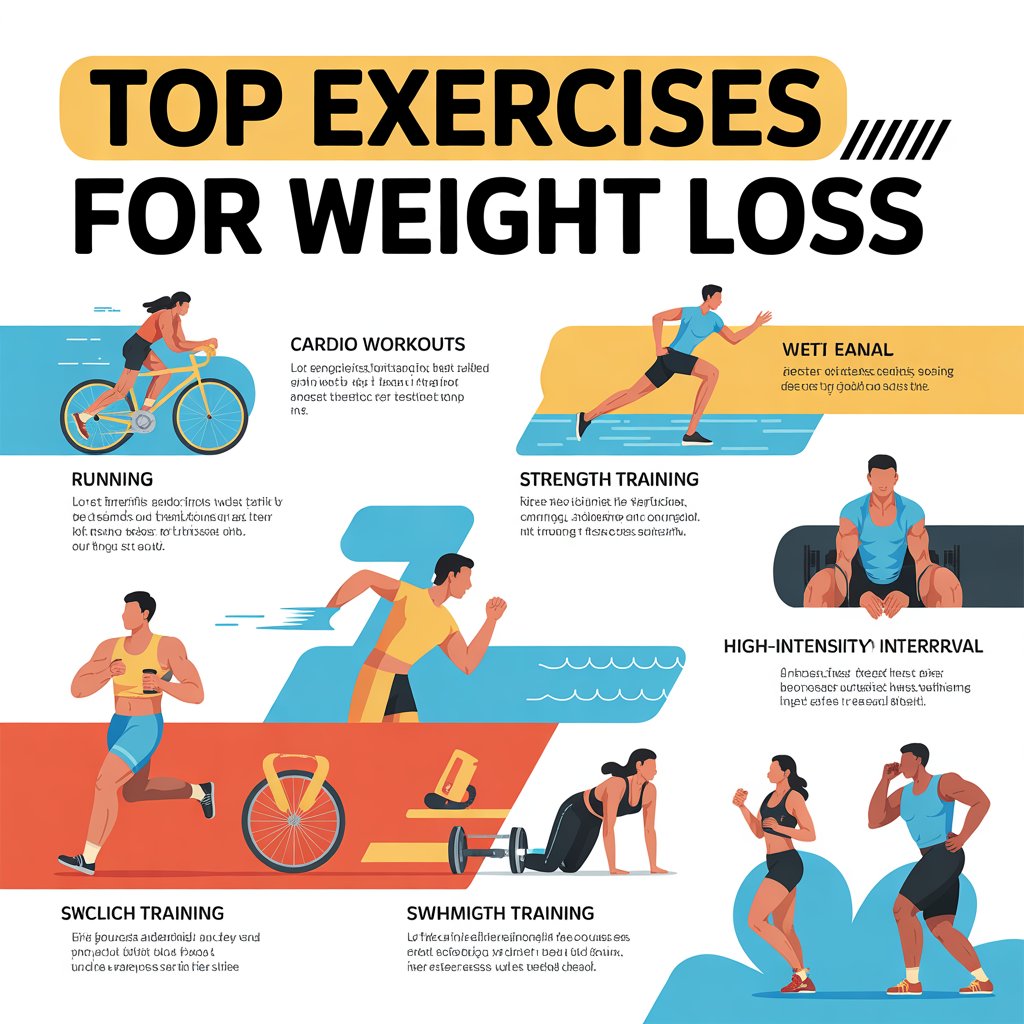
This exercise gets your heart pumping. Walking is one of the easiest ways to do it. You can do it almost anywhere, anytime. All you need is comfortable clothes and good running shoes. Do you have joint pain? Try cycling, either on an exercise bike or outdoors. This puts less strain on your hips, knees, and ankles. The same goes for underwater exercises. See if there’s a swimming pool near you where you can try aqua jogging or water aerobics.
Add strength training?
Training with weights or other resistance equipment strengthens your muscles and makes everyday life easier. The weight machines at the gym monitor your movements and help you maintain proper posture. Make sure they are comfortable and provide enough support. Not sure how to use the equipment? Ask a trainer for help. You can also use dumbbells, kettlebells, or resistance bands at the gym or at home.
Does it include flexibility and balance?
Exercises like yoga, Pilates, and tai chi also help build muscle. Not only do they keep you flexible and improve your balance, which can protect you from falls and injuries, but they also make everyday tasks like bending and stretching easier. Balance and flexibility are especially important as you get older.
Use a chair if necessary?
If you have difficulty walking or standing for long periods of time, start your exercise program with exercises that you can do while seated. Remember: any movement is better than none at all. You can get a cardio workout with a chair exerciser or a portable pedal exerciser. Strength or resistance training, as well as stretching, can easily be done while seated.
·
·
Are you planning your success?
It may take a while, but if you stick with it, exercise can become a lifelong, healthy habit. You may find it easier to stay motivated if you create a plan and track your progress. Set specific, achievable goals that you can celebrate, like walking an extra quarter mile each week or adding 10 minutes to your bike ride. An activity tracker, journal, or app can help you reach your goals, as can exercising with a friend or in a group.
Prevent setbacks?
It’s easy to overdo it at the beginning of an exercise program. If you have severe muscle soreness, you should rest for a few days. But if you suspect an injury, see a doctor. Your body will struggle to maintain the status quo, so don’t be surprised if you feel especially hungry or tired at first. Make sure you eat a healthy diet.
What does it look like in the long term?
An exercise program is like any other habit: It takes time to become a permanent part of your life. Be aware that there will be days when you don’t feel like exercising. Fight boredom by varying your workout schedule. And if you miss a day or two, don’t panic. Just start as soon as possible. Your goal is to stay active for life.
Power couple?
When it comes to weight loss, two (or more) foods can be better than one. That’s because they each contain different nutrients that work together. Together, they can help you curb hunger, stay full longer, and burn calories more efficiently than if you ate them individually.
Avocado and dark green leafy vegetables?
Spinach or lettuce is low in calories and nutritious, but you might want more. For a more satisfying meal, top with… It’s probably more nutritious because it contains a type of good fat (monounsaturated), which curbs hunger. Bonus: Avocado also helps your body absorb more of the vegetable’s disease-fighting antioxidants.
Chicken and cayenne pepper?
Chicken breast is known for its weight loss benefits—and for good reason. One chicken breast provides 27 grams of protein for fewer than 150 calories. Protein is digested more slowly, which keeps you feeling fuller for longer. Spice up this main course with a condiment or sauce made with… This will increase your calorie burn and make you feel less hungry.
Oatmeal and walnuts?
An easy way to lose weight: Eat raw fiber. Simply adding more fiber to your diet can help you lose weight. This is because your body can’t break down fiber, which slows down digestion and takes up space in your stomach. Oatmeal can be a good source, with 4 grams of fiber per cup. Walnuts provide about 2 grams of fiber, are also a filling source of protein, and add a little crunch.
Eggs, black beans and peppers?
Start your day with this protein-rich scrambled egg. According to a study inJournal of the American College of Nutrition,Those who ate eggs for breakfast ate less the rest of the day than those who ate a bagel. Black beans and bell peppers make this morning meal even more filling thanks to their double dose of fiber.
·
·
Bean and vegetable soup?
Add a broth-based vegetable soup to your lunch or dinner. The liquid fills your stomach, leaving less room for high-calorie foods. Studies have shown that people who started with soup consumed 20% fewer calories during a meal. Stirring in beans, such as chickpeas or black beans, extends the shelf life of the soup, as they are rich in protein and fiber.
Steak and broccoli?
Too tired for the gym? This dish can help. Beef is rich in protein and iron, which your body needs to produce red blood cells. These carry oxygen to your organs, so a deficiency can sap your energy. Broccoli is the perfect side dish because its vitamin C helps your body absorb iron. Half a cup of this vegetable provides 65% of your daily vitamin C needs.