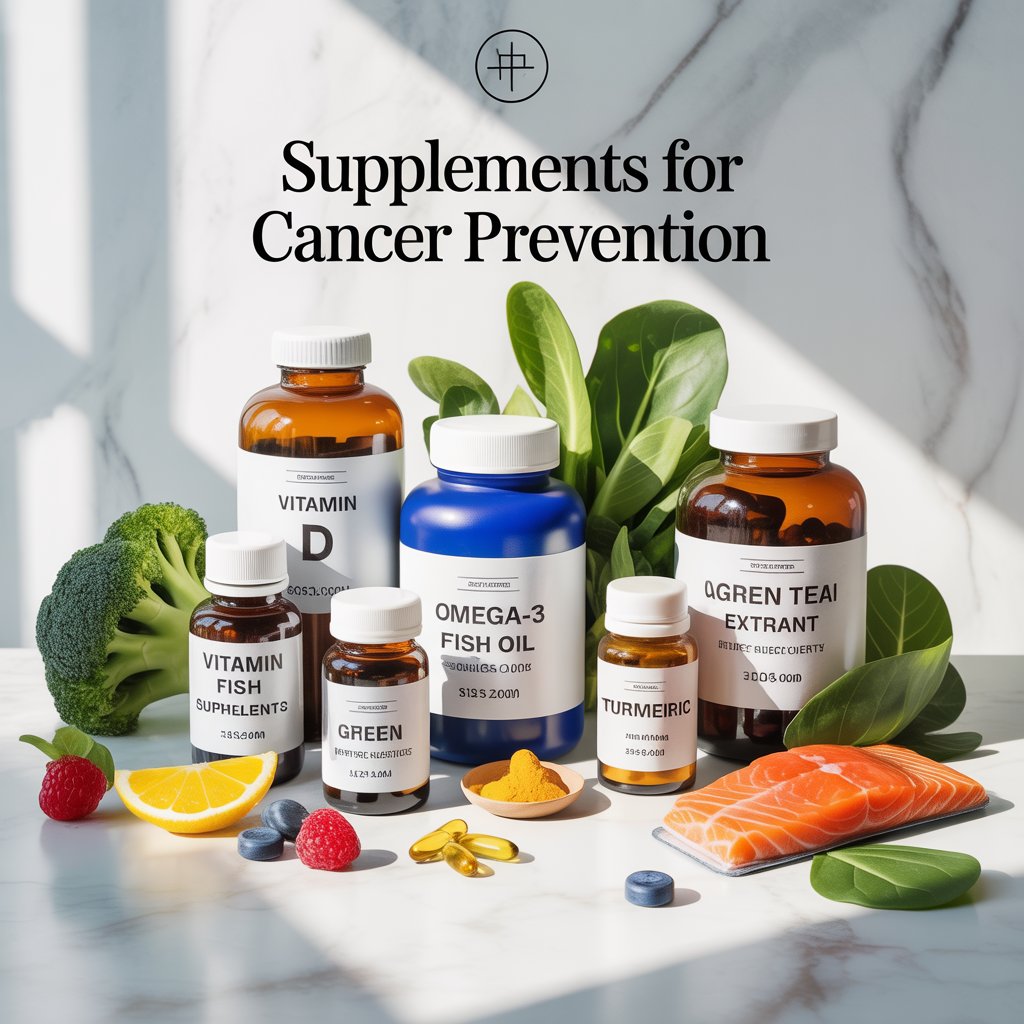
Multivitamin and mineral supplements?
These include various multivitamin and mineral supplements.Dietary supplements that may help lower cancer risk safely. Often in doses equivalent to the recommended daily intake.
No randomized controlled trials are investigating the effect of multivitamins on toxicity or survival after diagnosis. Observational data from cohort studies of patients with colorectal and breast cancer, in which 50% to 72% of patients self-administered multivitamin supplements, showed no positive or negative effects of these supplements on toxicity or survival. A recent meta-analysis of 21 randomized controlled trials in the general population, based on 91,074 individuals and 8,794 deaths, found that multivitamin supplementation
Are you quitting tobacco?
Passive smoking can also increase the risk of lung cancer.
However, not everything about smoking is bad. Dietary supplements that may help lower cancer risk safely. A good way to prevent cancer is to abstain from tobacco. If you want to quit smoking, ask your doctor about products that can help you and other ways to quit.
Do you want to maintain a healthy weight and be physically active?
Maintaining a healthy weight can reduce the risk of certain cancers, including breast cancer, pancreatic cancer, liver cancer, colon cancer, and kidney cancer.Dietary supplements that may help lower cancer risk safely.
Exercise is also important. It not only helps with weight control, but can also reduce the risk of breast and colon cancer.
All forms of exercise are good for your health. The more, the better. You can combine moderate and vigorous activities.
Dietary supplements and cancer?
In a 2007 report, the World Cancer Research Fund reviewed 39 randomized controlled trials of micronutrient supplementation in cancer patients, including retinol, beta-carotene, vitamin B6, multivitamins, vitamin E, selenium, and isoflavones. The report concluded that the evidence “does not demonstrate any benefit of dietary supplementation for cancer patients.”
Additionally, large-scale randomized controlled trials of the effectiveness of dietary supplements in reducing cancer risk have revealed serious safety concerns.
Dietary supplements with fish oil?
Both fish oil and omega-3 fatty acid supplements can impair platelet function and thus cause bleeding. Doses above 3 grams per day can increase bleeding and prolong its duration. Some cancer patients are already at increased risk of bleeding. These supplements may also interfere with the effectiveness of certain platinum-based chemotherapy drugs (cisplatin, carboplatin). Patients taking fish oil should discuss with their doctor whether to continue taking it during treatment.
Curcum?
Studies show that it may act as a radiosensitizer (making tumor cells more sensitive to radiation and therefore easier to destroy) and as a radioprotectant for healthy cells (protecting healthy cells). Disadvantages include poor bioavailability and rapid elimination. These factors limit its effectiveness.Talk to your doctor about these studies and whether this supplement may be beneficial for you. You should not take it without first consulting your doctor.
Multivitamins?
Multivitamin supplements contain ingredients such as vitamins and minerals. They are often taken to fill nutritional gaps that occur with a normal diet. With a healthy diet, taking multivitamin supplements is often unnecessary. Your doctor can confirm whether it is safe to take them during treatment. Discuss the ingredients in your multivitamin supplement with your doctor before continuing to take it.
Many over-the-counter products contain dietary supplements. It is important to read the labels on these products to understand their ingredients.
How is calcium administered or taken?
The most important sources of calcium are found in foods. About a third of the calcium in our diet comes from milk and dairy products such as cheese and yogurt. Plant-based sources of calcium include bok choy, kale, and broccoli. Calcium is sometimes added to foods and drinks such as fruit juices, tofu, and breakfast cereals.
Most research on the risk was concentrated in calcium in the instead of calcium in dietary supplements.
Have any studies on calcium in humans already been conducted?
Studies have been conducted in many parts of the world to investigate a possible association between dairy products, calcium supplements, and the risk of prostate cancer. The results of these studies are conflicting. Some studies suggest that calcium may affect the overall risk of developing prostate cancer or the risk associated with reducing sugar consumption. Some people don’t come back after treatment, others don’t.
Information about studies on people taking calcium supplements, dairy products, or calcium-free products can be found in the “Prostate cancer, diet, and supplements” section of the healthcare professional version.
Is calcium approved by the FDA for cancer treatment in the United States?
The FDA has not approved the use of calcium as a cancer treatment.
Dietary supplements are different from foods, cosmetics, and drugs. The FDA’s Good Manufacturing Practices (GMP) guidelines require that each finished batch of dietary supplements be safe and that the label information is accurate and not misleading to consumers. However, the FDA does not routinely monitor the manufacturing of dietary supplements, so the quality of calcium supplements can vary by batch and brand.
What was the working group’s recommendation based on?
The expert panel concluded that the risks of beta-carotene supplementation outweigh the benefits in preventing cardiovascular disease or cancer, and that vitamin E supplementation provides no net benefit for these purposes. The recommendation applies to non-pregnant adults and excludes people with chronic diseases, hospitalized patients, and people with known nutritional deficiencies.
Beta-carotene and vitamin E are powerful antioxidants, substances that can prevent or slow down cell damage. They are often taken as dietary supplements because of their potential health and anti-aging effects, such as fighting age-related vision loss and inflammation associated with chronic diseases. Vitamin E has also been shown to strengthen the immune system.
What risks did the working group identify?
An expert panel concluded that beta-carotene intake likely increases the risk of lung cancer, especially in high-risk groups such as smokers or people occupationally exposed to asbestos. The panel also found a statistically significant increased risk of death from cardiovascular disease associated with beta-carotene intake.
In one of the clinical studies evaluated by the task force for its recommendation, smokers and people with occupational asbestos exposure showed an increased risk of lung cancer or death from heart disease at a daily beta-carotene dose of 20 and 30 milligrams, respectively. This dose is higher than the standard recommendation for beta-carotene supplements, which ranges from 6 to 15 milligrams per day.
Why were these supplements considered beneficial in the past?
Antioxidants like beta-carotene and vitamin E can help fight inflammation and oxidative stress—two of the leading causes of cancer and heart disease. Oxidative stress can cause cell damage; as a result, cells can become cancerous.
With cancer and heart disease being the two leading causes of death in the United States, it’s understandable that so many people take supplements for preventive purposes. What’s more, only one in ten Americans meets the government’s recommended daily intake of fruits and vegetables—1.5 to 2 cups of fruit and 2 to 3 cups of vegetables—and many turn to supplements to fill the gap.
Should people be worried about taking supplements?
Rigorous testing is required before a drug can be approved by the FDA. However, this does not apply to dietary supplements, as they are regulated as foods, not drugs. Therefore, the FDA does not have the authority to test dietary supplements for safety, efficacy, or labeling before they are sold to the public.
The global dietary supplement market was valued at $151.9 billion in 2021. According to data from the 2017–2018 National Health and Nutrition Examination Survey, an estimated 60% of adults in the United States took dietary supplements in some form, including vitamins, minerals, multivitamins, herbal preparations and herbs, probiotics, nutritional powders, and more.
Consumers should be cautious when purchasing and taking dietary supplements, as they may contain ingredients that may interact with prescription medications or existing medical conditions. It is also important to be aware that products may contain hidden ingredients.
Maintain a healthy weight?
Although obesity is one of the most important risk factors for cancer, recent studies from the American Institute for Cancer Research and the American Society for Clinical Oncology show that about half of the population is unaware of this connection (3, 9). However, there is compelling evidence that a healthy weight and other healthy lifestyle habits can prevent almost half. There is growing evidence that obesity also increases the risk of leukemia, lymphoma, multiple myeloma, and liver and gallbladder cancer.