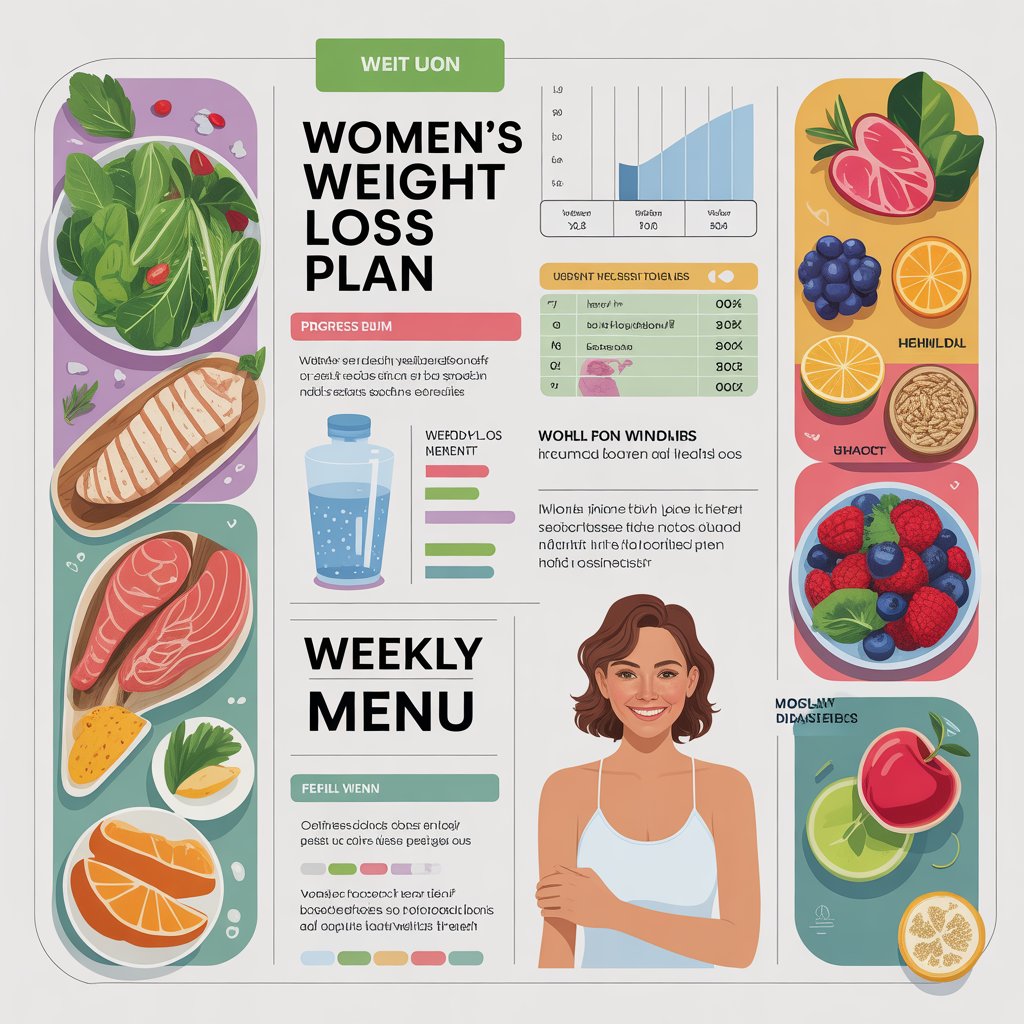
What are the benefits of fat burning?
Nearly three-quarters of all adults in the United States are overweight or obese.Diet plan for women to lose weight Even a modest weight loss of 5 to 10 percent of body weight leads to health benefits such as improved blood pressure, blood sugar and cholesterol levels. In addition, weight loss can reduce the risk of certain diseases associated with being overweight or obese, such as diabetes and heart disease.
Weight loss for women?
You’re right if you’ve ever felt that weight loss can be harder for women than for men.There are a number of biological reasons for this. First, men generally have more muscle mass and a lower body fat percentage than women, which leads to a higher resting metabolic rate. And the higher your resting metabolic rate, the more calories your body can burn per day. Women typically store fat in their hips, thighs, and butt, and these areas prove to be a little more stubborn when it comes to fat loss and muscle growth. Estrogen, the ma make sure your plans are safe and optimal for your body. Absolutely.
What should a woman eat to lose weight and build muscle?
Let’s start at the beginning: It can be tempting to go on a crash diet to lose weight quickly, but it’s simply not a good idea.Diet plan for women to lose weight Fad diets, cleanses, and rapid weight loss generally come with many risks, and there’s a good chance you’ll gain the weight back when you return to eating normally.
Instead, try a slower, more gradual approach to weight loss, losing 1 to 2 pounds (0.5 to 1 kg) per week. To lose 1 to 2 pounds (0.5 to 1 kg) per week, you need to reduce your daily calorie intake by 500 to 1,000 calories below the amount you need to maintain your current weight. For example, a moderately active person—someone who exercises for about 30 minutes a day—calculates their calorie intak to adapt to your low calorie intake.
What foods can you eat to lose weight and build muscle?
It’s not just about the number of calories.Diet plan for women to lose weight A meal plan for weight loss and muscle building should also consider the quality of calories. Not all calories are created equal—a calorie from junk food is not the same as a calorie from healthy food. While junk food generally has little to no nutritional value, calories from healthy food usually contain important nutrients that your body needs.
Ideas for a diet plan?
It’s a good idea to consult with a nutritionist to create a meal plan that’s tailored to your age, preferences, lifestyle, medical conditions, and food allergies. For example, a weight loss plan for a woman over 60 may look different than one over 40—a nutritionist can help you find the best path for you. Clark recommends eating at least three to four different foods at each meal. “You need protein for muscle growth and development, grains for energy, fruits or vegetables for vitamins and minerals, and calcium-rich foods for your bones,” she says.
Also, make sure you drink enough water. The National Academies of Sciences, Engineering, and Medicine recommends 3.7 liters (l), or about 125 ounces (oz), of water per day for most adult men and 2.7 liters, or about 68 ounces, of water per day for most adult women—about 80 percent of which should come from beverages and the rest from foods like diseases.
How do you gain control?
For example, it’s a good idea to be mindful of what and how much you eat. Instead of mindlessly eating, eat only when you’re truly hungry and stop eating when you’re full. Avoid eating while working, watching TV, or playing on your phone, as this will make you less aware of your body’s satiety signals. Try to examine your motives for eating. Perhaps you’re eating out of boredom or in response to an emotional trigger like stress or sadness. If you’re group.
How to cook to build muscle and lose fat?
When trying to lose weight, eating a small, protein-rich meal every three to four hours is an effective way to keep your metabolism stable and put your body in a constant anabolic—muscle-building—state. Meal prepping can help you stick to your eating plan by controlling your calorie intake, providing structure, and eliminating the guesswork around meals. This gives you much more control over your diet than eating out or importantly…
7-day diet plan for muscle building?
Building muscle isn’t just about lifting weights—it’s about feeding your body the right nutrients at the right time. Our 7-Day Muscle Gain Meal Plan is a comprehensive diet that includes protein-rich meals for muscle growth, balanced with essential carbohydrates and healthy fats. Whether you’re just starting out or looking to optimize your current workout program, this muscle gain meal plan will help you reach your goals faster.
How many calories and macronutrients?
When planning your meals, it’s important to ensure you’re getting the right amount of calories and a balanced mix of macronutrients.Diet plan for women to lose weight Your exact needs may vary depending on your body weight, activity level, and specific goals. However, a general approach to muscle growth is:
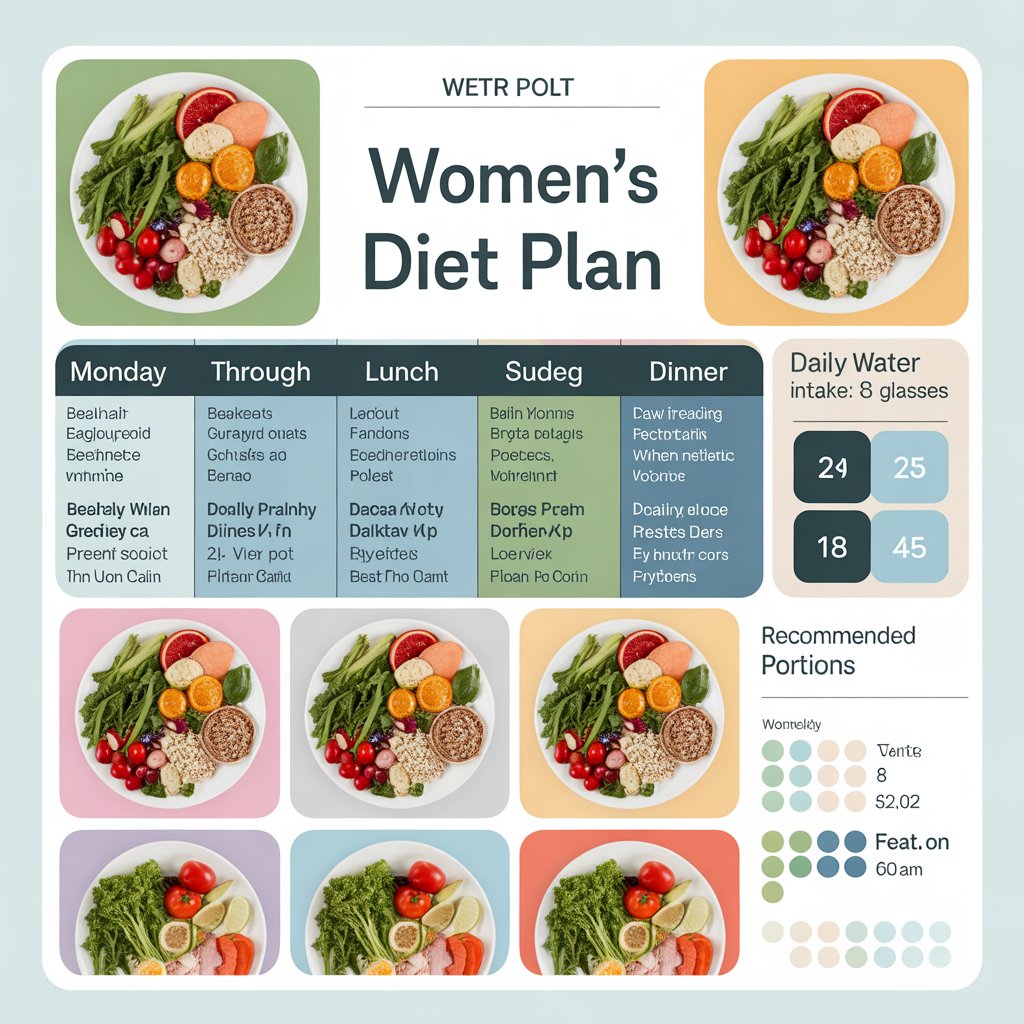
Days 3 to 7: Flexible yet structured?
For the remaining days, the plan follows the same structured approach and allows for variations in protein and carbohydrate sources:
Protein: Switch between lean meats (chicken, turkey, lean beef), fish (salmon, tuna), and plant proteins (tofu, legumes) to meet your daily protein needs.
Carbohydrates:Diet plan for women to lose weight Add a mix of whole grains like quinoa, brown rice, barley, and bulgur, as well as starchy vegetables like sweet potatoes and squash.
Fats: Use healthy fat sources like avocados, nuts, seeds, and olive oil.
Calorie range: Try to stay between 2,500 and 3,000 calories daily and adjust portion sizes based on your progress and energy expenditure.
Which protein-rich meals promote muscle building and why are they important?
Protein-rich meals provide the amino acids needed for muscle recovery. By spreading your protein intake throughout the day, you maintain a positive nitrogen balance, which is crucial for muscle growth. Read on to learn more about the role of protein in muscle building and how protein affects the development of the human body.
How do I create a diet plan to build muscle?
This 7-day plan serves as a template. Adjust portions and ingredients to your daily calorie needs and fitness goals. Monitor your progress and make gradual adjustments as needed. For more tips, check out this article on creating a balanced diet plan for muscle mass.
What is a diet routine for muscle growth?
A successful muscle building diet is sustainable, enjoyable and tailored to your training plan. The right timing of your meals is crucial, for example what you eat in the evening after a workout. You can find more tips on recovery nutrition on our subpage.
How do protein-rich meals for muscle building support recovery?
Protein helps repair and rebuild muscle fibers damaged during exercise. Diet plan for women to lose weight Daily protein intake ensures that your body has a constant supply of amino acids, which are essential for muscle repair and growth.
Any final thoughts?
This 7-Day Muscle Building Diet Plan is a comprehensive and practical meal plan designed to support your muscle growth. With a structured meal plan with clear calorie and macronutrient breakdowns, you’re on your way to success. Combine this plan with regular strength training and proper recovery strategies for optimal results.
How does body transformation work?
Body contouring is more of a lifestyle than a diet. The focus is on maintaining and building muscle while losing fat. To achieve this goal, diet and exercise must be adjusted. While cardio is important for weight loss and overall health, strength training is essential for changing body composition. In addition, nutrition is essential to promote fat loss and support muscle growth. Body contouring methods can vary depending on your ultimate goal. For example, a lean bodybuilder who wants to increase muscle mass and burn fat will have different nutritional and build.
What is body composition?
The scale shows your weight, but it doesn’t tell you what your body is made of. Body composition refers to all the parts of your body, divided into different zones. Two zones are commonly used: fat mass and fat-free mass. Fat mass refers to all the fatty tissue on your body. Fat-free mass includes everything else, including muscle, organs, bone, and water. If both change at the same time, you may not see any changes. For example, if you start exercising, you may gain one pound of weight.
Track body size?
One method is to measure the circumference of different parts of your body. Your doctor may have measured your waist with a flexible tape measure. At home, you can also measure the circumference of other parts of your body, such as your hips, arms, legs, or chest. You can take these measurements with an inexpensive, flexible tape measure. Although a change in circumference does not indicate whether your fat mass or muscle mass is changing, it can give you an idea. For example, a decrease in waist circumference is usually a sign that you are… Gram for gram, fat takes up more space than muscle. This means that if you lose fat, your waist circumference may decrease even if your weight does not change. If you lift weights, an increase in arm circumference may mean that you are building muscle mass in your arms. Of course, it is very important to measure consistently each time to get more accurate results.