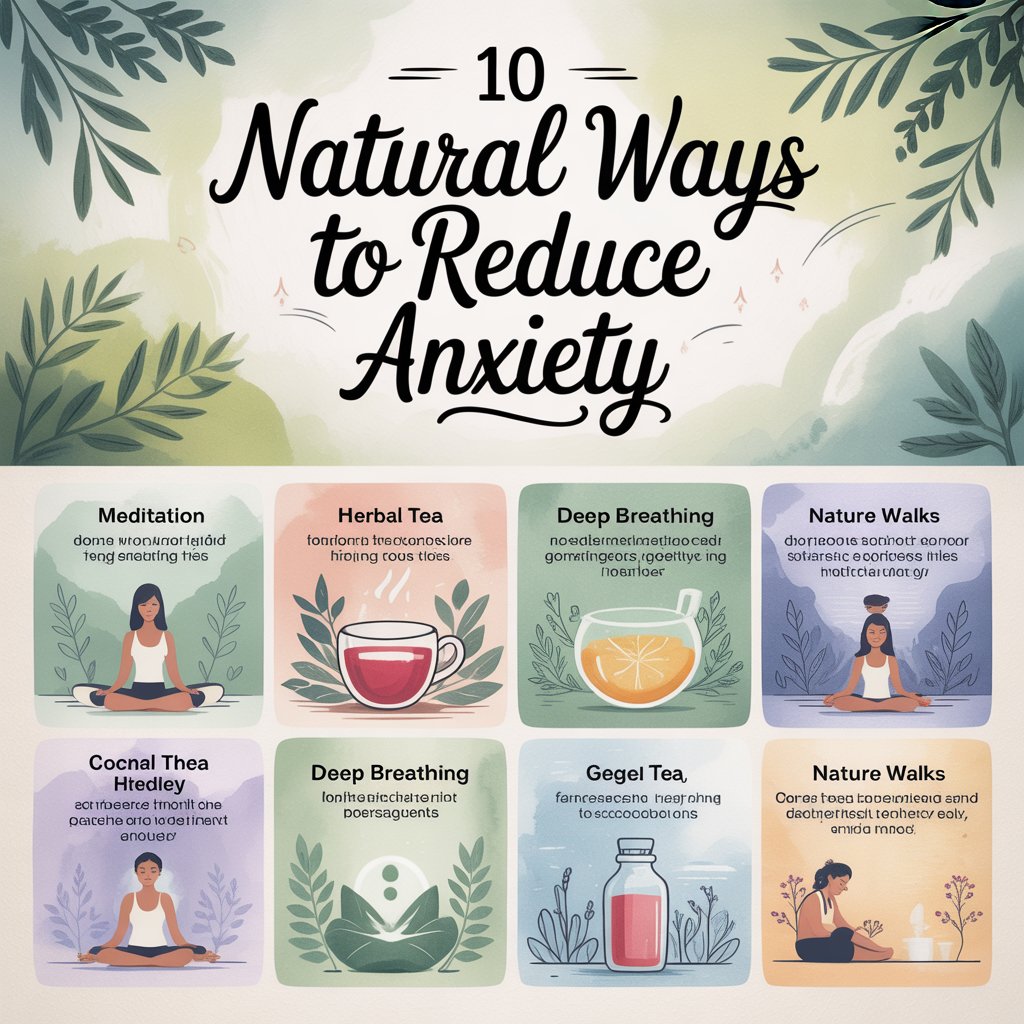
What is fear?
Your body’s natural response to stress. 10 Natural Ways to Reduce Anxiety It’s a feeling of fear or anxiety based on a combination of factors that, according to researchers, range from genetics to environment and brain chemistry.
Anxiety can manifest itself differently for everyone. While you may feel butterflies in your stomach, others may experience the following symptoms:
10 natural strategies for managing anxiety?
A 2021 study found that people with physically active lifestyles were about a third more likely to develop anxiety symptoms, compared to similar individuals in a total population of about 400,000 people who were followed for 21 years.
Exercise often distracts you from thoughts that can increase your anxiety.10 Natural Ways to Reduce Anxiety An increased heart rate also leads to changes in brain chemistry, including neurotransmitters (brain messengers that counteract anxiety), such as:
Limit alcohol consumption?
Excessive alcohol consumption can disrupt the neurotransmitters in the brain responsible for mood regulation.10 Natural Ways to Reduce Anxiety This disruption can lead to an imbalance that can manifest itself in anxiety symptoms.
Reducing alcohol consumption can help relieve symptoms of both anxiety and depression.
A 36-year study found that alcohol interferes with the body’s natural ability to sleep and can further impair sleep quality over time. Sleep deprivation can increase the risk of chronic sleep problems. A good night’s sleep is incredibly helpful in managing anxiety.
If you consume alcohol regularly, your anxiety symptoms may initially increase temporarily after you stop drinking, but they often improve over time.
Stop smoking?
Many studies show that smoking and anxiety symptoms often go hand in hand. Consistent results show that people with anxiety are more likely to smoke.10 Natural Ways to Reduce Anxiety Furthermore, anxiety symptoms improved significantly when smoking was stopped.
A study also suggests that nicotine and other chemicals in cigarette smoke alter brain pathways associated with symptoms of anxiety and panic disorder.
recommends using a cigarette substitute, such as toothpicks or chewing gum.
You can also break distracting habits to create an environment that supports your smoke-free life. You can also create a plan with a support network that offers everything from encouragement to distraction.
Limit caffeine intake?
Caffeine can trigger or worsen anxiety disorders.10 Natural Ways to Reduce Anxiety Ten studies have shown that caffeine can worsen both anxiety and panic attacks in people with and without panic disorder. In some people, avoiding caffeine led to significant symptom relief.
The Diagnostic and Statistical Manual of Mental Disorders, 5th Edition, Text Revision (DSM-5-TR), officially recognizes the DSM-5-TR. The DSM-5-TR, published by the American Psychiatric Association, is the reference text used by most American psychologists.
In caffeine-related anxiety disorder, caffeine impairs daily functioning. The diagnosis requires that the person experience anxiety symptoms related to caffeine consumption.
By gradually reducing your caffeine consumption over several weeks, you can change the habit without your body experiencing withdrawal symptoms.
Are you eating nutritiously?
Low blood sugar, dehydration, or chemicals in processed foods can affect your mood.10 Natural Ways to Reduce Anxiety A diet high in sugar can also affect your well-being.
If your anxiety worsens after eating, consider reviewing your eating habits. Drinking plenty of fluids, avoiding processed foods, and eating plenty of complex carbohydrates, fruits, vegetables, and lean protein may help relieve your symptoms.
Practice deep breathing?
Shallow, rapid breathing is common in anxiety. It can lead to a rapid heartbeat, dizziness, a feeling of unsteadiness, or even a panic attack.
The conscious act of breathing slowly, even deeply, can help restore regular breathing patterns and reduce anxiety symptoms in the moment.
Would you like to try aromatherapy?
Aromatherapy is a holistic healing method that has been practiced for thousands of years. It uses natural plant extracts and essential oils to promote health and well-being of body, mind, and spirit.
The natural plant extracts can be inhaled directly, added to a warm bath, or nebulized.
Drink chamomile tea?
A study of people with generalized anxiety disorder found that chamomile can be an effective ally in the fight against this condition. The study showed that chamomile is safe in the long term and significantly reduces anxiety symptoms, but not the risk of relapse.
Researchers suspect that chamomile’s anxiolytic effect may be due to the activity of a flavonoid called . This flavonoid activates GABA receptors at the same binding sites that anti-anxiety drugs target.
How is anxiety treated?
Psychologists often prefer cognitive behavioral therapy (CBT) for anxiety management. This talk therapy can be done in person or with a psychologist.
Medication is another option for severe anxiety symptoms. It helps balance brain chemistry and reduce anxiety attacks.
A combination of talk therapy, medication, and self-care can reduce the risk of severe anxiety attacks.
Lift up?
Natural strategies such as regular exercise, aromatherapy, deep breathing, mindfulness, and chamomile tea can help you reduce anxiety symptoms.
If you feel your anxiety is increasing, consider talk therapy, prescription medication, or both. These can help with severe or persistent anxiety.
Do I suffer from insomnia?
If you have trouble sleeping, contact your doctor. In addition to a physical examination, your doctor may recommend that you keep a sleep diary for a few weeks.
If your doctor suspects a sleep disorder such as insomnia, he or she may recommend that you see a sleep specialist.
A sleep specialist may recommend a sleep study, also called a sleep study. During a sleep study, various physical activities you experience while you sleep are electronically monitored and interpreted.
Treat insomnia?
CBT-I is used to help you understand, identify and change the behaviors that interfere with your ability to fall asleep and stay asleep.
CBT-I not only helps you manage or eliminate the worries or negative thoughts that keep you awake, but also addresses the cycle that makes you worry so much about falling asleep that you can’t fall asleep.
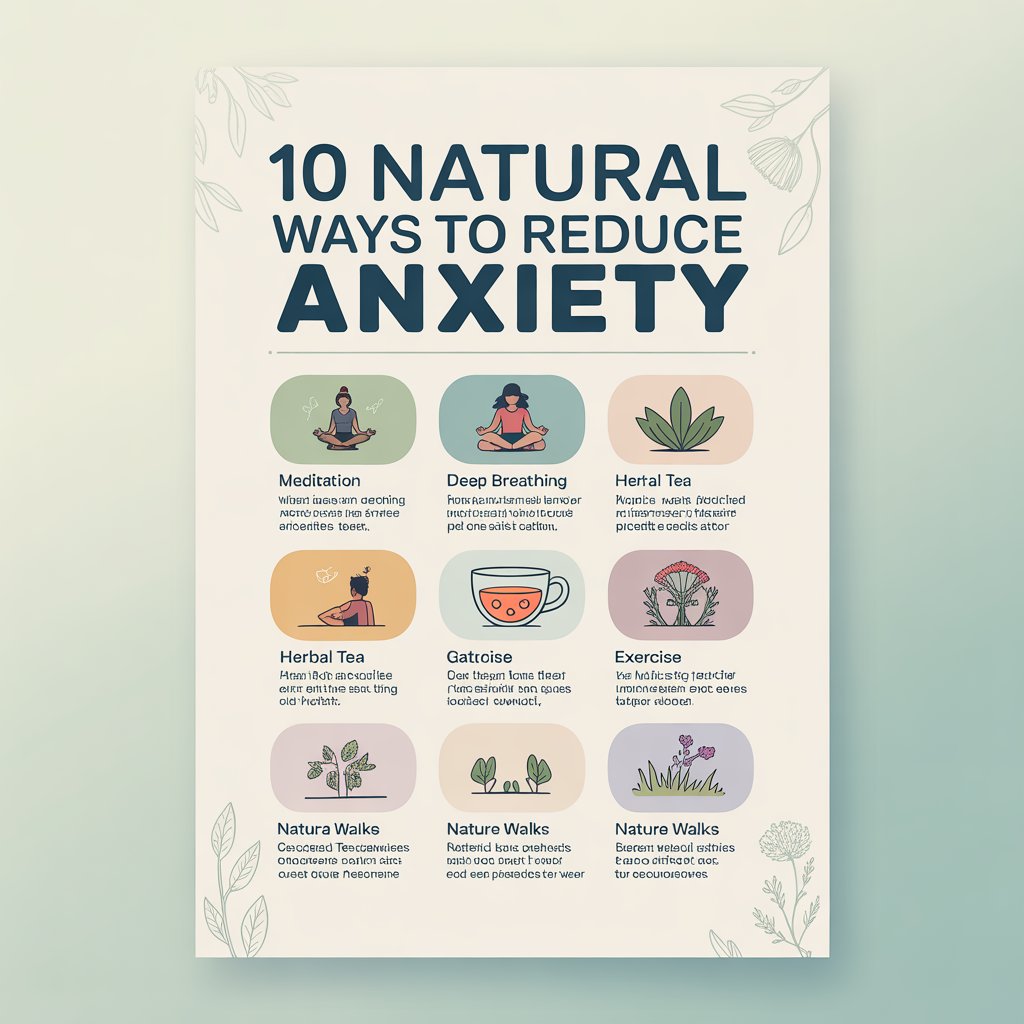
What is an anxiety disorder?
An anxiety disorder is a form of fear. With an anxiety disorder, you may react to certain things and situations with fear and anxiety. Physical signs of fear, such as heart palpitations and sweating, may also occur.
What types of anxiety disorders are there?
According to the American Psychiatric Association’s Diagnostic and Statistical Manual of Mental Disorders, there are several types of anxiety disorders. This is the standard manual for diagnosing mental illnesses. Types of anxiety disorders include:
This condition causes anxiety, worry, and a constant feeling of being overwhelmed. It is characterized by excessive, frequent, and unrealistic worry about everyday things such as work tasks, health, or household chores. This disorder causes an intense fear of being overwhelmed or unable to escape or get help. People with agoraphobia often avoid new places and unfamiliar situations, such as large, open or enclosed spaces, crowds, and places outside the home. This disorder is accompanied by many unexpected panic attacks. An important characteristic of this disorder is that the attacks usually occur without warning and are not caused by any other mental or physical illness.
A phobia occurs when something causes such intense fear or anxiety that it permanently and overwhelmingly disrupts your life. There are hundreds of different types of phobias, and almost all of them have a single diagnosis: specific phobia. Only one phobia, agoraphobia, has a separate diagnosis.
This condition occurs when a person is afraid to speak up in certain situations due to anxiety or worry. It usually occurs in young children, but can also affect adolescents and adults.
What causes anxiety disorders?
As with other mental illnesses, researchers don’t know exactly what causes anxiety disorders. However, they believe that a combination of factors play a role:
How is anxiety disorder diagnosed?
If you or your child is experiencing symptoms of an anxiety disorder, see a doctor. They will first do a physical exam. They will ask about your medical history, any medications you are taking, and whether anxiety disorders run in your family.
There are no ultrasounds that can diagnose anxiety disorders. However, your doctor may perform some of these tests to rule out physical conditions that could be causing your symptoms. If there is no physical cause, your doctor may refer you to a mental health provider.
A psychologist will conduct an interview or questionnaire and ask questions about your symptoms, sleep habits, and other behaviors. They will use criteria from the American Psychiatric Association to diagnose anxiety disorders.
How is anxiety disorder treated?
An anxiety disorder, like any other illness, requires treatment. It is not something you can just get rid of. It is not about self-discipline or attitude. Research has made significant progress in the treatment of mental illnesses in recent decades. Your doctor will create an individual treatment plan for you. This may include a combination of medication and (talk) therapy.
Medications for anxiety disorders?
Medications cannot cure an anxiety disorder. However, they can relieve symptoms and help you function better. Medications for anxiety disorders often include:
Although these medications primarily treat anxiety disorders, they can also help with anxiety. They affect how your brain uses certain chemicals to improve your mood and reduce stress. Antidepressants can take time to work, so be patient. These are the most common types of antidepressants for anxiety. They are another option, but they cause more anxiety.
These types of medications can help relieve your anxiety, panic, and worry. They work quickly, but tolerance can develop. They can also be addictive, so you should use them with caution. Your doctor may prescribe a benzodiazepine for a short period of time and then reduce the dose. Benzodiazepines that can help with anxiety disorders include:
Your doctor will work with you to find the right combination of medications and dosage. Do not change the dose or stop taking any medication without first consulting your doctor. Your doctor will monitor you to make sure the medications are working and are not causing any side effects.
Psychotherapy for anxiety disorders?
Psychotherapy, also called talk therapy, involves a variety of treatment techniques designed to help you identify and change unhealthy feelings, thoughts, and behaviors. A psychologist will discuss strategies with you to help you better understand and manage an anxiety disorder. Possible approaches include:
This is the most common form of psychotherapy for treating anxiety disorders. Cognitive behavioral therapy (CBT) for anxiety teaches you to recognize and identify thought patterns and behaviors that lead to difficult feelings. You then work to change your thoughts and reactions to triggering situations.
In this form of therapy, a psychologist creates a safe environment where you can express your fears. Fears can be objects, situations, and/or activities. Exposure therapy helps you show that you are capable of facing your fears. You learn to associate new, more realistic beliefs with the things you fear. You will feel more comfortable experiencing fear.
Can I prevent the development of an anxiety disorder?
There is currently no known way to prevent anxiety disorders. However, many of the associated problems can be alleviated with treatment. Seeking help when symptoms arise can minimize disruption to your life.
How can I take care of myself if I have an anxiety disorder?
In addition to seeking professional medical help and treatment, certain strategies can help you manage an anxiety disorder and make treatment more effective. These include:
Participating in a support group for people with anxiety disorders – in person or online – can provide opportunities to connect with others, share experiences, and learn different coping strategies.
If you learn more about your condition and educate your loved ones, they can better understand the condition and offer you support.
Caffeine can worsen the physical symptoms of anxiety. Talk to your doctor if you are concerned about your caffeine consumption.
When should I see my doctor?
Your doctor is your partner in your care. If you feel like treatment for an anxiety disorder isn’t working or if you have questions about your medication, talk to your doctor. Together, you can find the best way forward.